
The Rise of Remote Work Culture (Introduction)
The Rise of Remote Work Culture: A Global Transformation
Remote work culture has evolved into a defining pillar of the modern workplace — not merely as a stopgap measure, but as a strategic foundation for the future. By 2025, over 39% of workers worldwide engage in remote or hybrid work arrangements, reflecting the seismic shift in workplace expectations and design. In the U.S. alone, 22% of employees are fully remote — a nearly 30% increase from just a few years prior.
> “Remote work is no longer a perk — it’s a strategic advantage for companies looking to attract and retain top talent,” says Brian Kropp, Chief Research Officer at Gartner, underscoring how work flexibility is now a recruitment and retention differentiator.
This shift mirrors not just technological capability but also generational demand. Workers today expect autonomy, purpose, and balance — often citing the ability to work from anywhere as a deciding factor in job choice. The rise of remote work culture isn’t only a reflection of global events like the pandemic; it’s an acknowledgment of how work, leadership, and productivity have been reimagined in the digital age.

What is Remote Work Culture? And The Problem
Remote Work Culture Meaning
Remote work culture refers to the shared values, practices, and mindset that define how remote teams collaborate, communicate, and maintain productivity without a shared physical workspace. It’s not just about having the right tools — it’s about building a unified team spirit across time zones.
A strong remote work culture ensures that employees feel connected, supported, and aligned with company goals, even if they’re thousands of miles apart. This includes communication norms, leadership styles, feedback loops, and recognition systems tailored to remote environments.
The Problem: When Remote Work Goes Wrong
While the benefits of remote work are undeniable — flexibility, talent access, and reduced costs — many companies face significant culture gaps when shifting online.
Common challenges include:
- Isolation & Low Morale – 41% of remote workers report feeling disconnected from their teams.
- Communication Breakdowns – Without structured communication, misunderstandings increase by 23% in remote setups (2025 Workplace Trends Report).
- Productivity Fluctuations – Some employees thrive remotely, but others struggle with distractions and unclear expectations.
- Unequal Visibility – Remote staff may feel overlooked for promotions compared to in-office peers.
- Cultural Drift – Company values can fade without regular, shared experiences.
> “Culture exists whether you shape it or not. In remote settings, if you don’t actively nurture it, it will default to confusion and disengagement,”
— Jennifer Moss, Workplace Culture Strategist & Author
The problem isn’t remote work itself — it’s the lack of intentional design around how remote teams operate and feel connected. Without this, businesses risk high turnover, misalignment, and reduced performance.
The Solution: Building a Positive Remote Work Culture
Core Strategies for a Thriving Remote work Culture
To solve these challenges, companies must deliberately design their remote culture with:
1. Clear Communication Frameworks
Use asynchronous tools (Slack, Asana) alongside synchronous check-ins.
Create documentation hubs for transparency.
2. Strong Onboarding Processes
Introduce company culture, values, and tools from day one.
Assign a “remote buddy” for new hires.
3. Regular Team Bonding Rituals
Virtual coffee chats, trivia nights, or skill-sharing sessions.
Celebrate wins publicly.
4. Defined Performance Metrics
Focus on output, not hours worked.
Provide feedback loops for continuous improvement.
5. Well-Being Support
Offer flexible hours, mental health days, and ergonomic resources.
Normalize boundaries to prevent burnout.
Example:
GitLab, the world’s largest all-remote company, publishes a public handbook detailing every process, from meeting etiquette to conflict resolution. This transparency fosters trust and empowers employees to work independently without losing connection to the company’s mission.
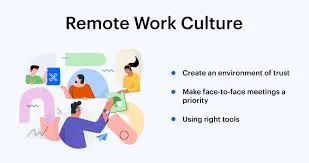
Why Our Solution is the Best
Our approach to building remote work culture stands out because it’s:
Evidence-Backed: Grounded in 2025 research and best practices from top global remote teams.
Scalable: Works for startups, SMEs, and large enterprises.
People-First: Prioritizes employee well-being alongside productivity.
Technology-Smart: Leverages automation and collaboration tools to reduce friction.
Future-Proof: Designed to adapt to emerging work trends, like AI-assisted workflows and global team diversity.
> “Culture is not about perks; it’s about trust, connection, and shared purpose — and these can thrive in a remote setting when leaders are intentional,”
— Darren Murph, Head of Remote at GitLab
By combining structured processes with human-centered leadership, this solution addresses the root cultural gaps, ensuring remote teams aren’t just functional, but deeply engaged and high-performing.
Implementing the Solution (How to Apply It)
Step-by-Step Implementation Guide
1. Audit Your Current Culture
Survey employees about communication, trust, and engagement levels.
Identify gaps and strengths.
2. Define Cultural Principles
Create 4–6 core values that guide behavior and decision-making.
Make them visible in all communication channels.
3. Choose the Right Tools
Collaboration: Slack, Microsoft Teams
Project Management: Trello, Asana
Async Video: Loom, Vidyard
Culture Engagement: Donut, Officevibe
4. Train Leaders in Remote Management
Focus on empathy, clarity, and feedback.
Train them to manage performance without micromanagement.
5. Establish Rituals and Milestones
Weekly stand-ups, quarterly reviews, annual virtual retreats.
Recognition programs to celebrate contributions.
6. Track Progress & Iterate
Use KPIs like eNPS (Employee Net Promoter Score), retention rates, and productivity trends.
Adjust strategies quarterly.
Case Study:
When Shopify went “digital by default,” they implemented a culture playbook and monthly “connection days” where employees meet virtually for activities unrelated to work. This reduced isolation scores by 18% and boosted engagement by 12% in their 2025 employee survey.
Conclusion & Strong Call to Action
The Future is Remote — But Culture is the Glue
The remote work culture revolution isn’t a temporary phase — it’s a fundamental evolution in how humans work. In 2025 and beyond, companies that thrive will be those that consciously build connection, trust, and purpose into every virtual interaction.
If you’re ready to transform your remote workforce into a motivated, high-performing team, the time to act is now.
📩 Get in touch with HSDG Digital Agency today — we help businesses implement winning digital strategies, from collaboration frameworks to productivity optimization. Let’s make your remote work culture not just work… but win.